Dogs have been known to be loyal companions to humans for centuries. They are known for their ability to protect their owners and their property, and this is why many people choose to keep them as guard or protection dogs. However, despite the similarities in their roles, there are distinct differences between the two.
In this article, we’ll take a closer look at the differences between a guard dog and protection dog, and why it’s essential to understand them before choosing one to suit your needs.
Guard Dog vs Protection Dog – What’s the difference?
Guard Dogs
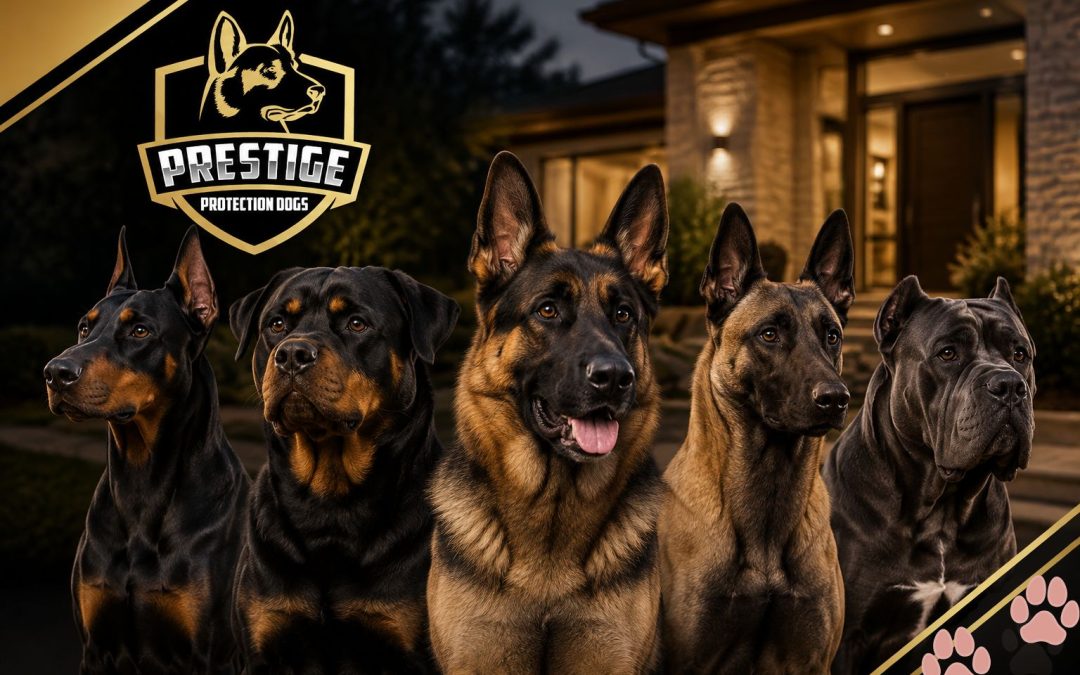
Guard dogs are specifically trained to protect property and alert their owners to any intruders. They are usually large breeds such as Rottweilers, German Shepherds, Belgian Malinois, Giant Schnauzers, Cane Corso’s, Dutch Shepherds and Doberman Pinschers. Guard dogs are known for their fierce loyalty and territorial nature, and they are often used in commercial or residential settings to protect buildings, homes, or property.
One of the primary roles of a guard dog is to be a deterrent to potential intruders. They often bark loudly and aggressively, and their presence alone can be enough to scare away any potential burglars or trespassers. They are also trained to chase and apprehend intruders if they do manage to enter the property.
Another essential aspect of training a guard dog is socialization. It is vital to socialize a guard dog early on to ensure they can distinguish between friend and foe. They must be comfortable around strangers and other animals, but at the same time, they must be trained to protect their owners and their property when needed.
Guard dogs also require a significant amount of training to be effective. They must be trained to obey their owner’s commands and follow specific protocols when confronted with intruders. Training a guard dog is a long-term commitment, and it requires consistency, dedication, and patience.
Protection Dogs
Protection dogs, on the other hand, are trained to protect their owners and their families from physical harm. They are usually large breeds such as Rottweilers, German Shepherds, Belgian Malinois, Giant Schnauzers, Cane Corso’s, Dutch Shepherds and Doberman Pinschers, and they are trained to react to specific commands given by their owners.
Protection dogs are usually socialized from a young age, and they are trained to be obedient and responsive to their owners’ commands. They are also trained to detect and react to danger, such as an intruder entering the home or someone trying to attack their owner.
One of the primary differences between guard dogs and protection dogs is their level of aggression. Protection dogs tend to have a more controlled level of aggression and are trained to respond to specific commands given by their owners. They are also trained to be more discerning when it comes to identifying threats, and they will not react aggressively to every person who approaches their owner.
Another difference is that trained protection dogs are usually trained to be more sociable and have a more dominant personality. They are often trained to be comfortable in social situations and to interact with other animals and people without displaying any aggressive behavior.
Finally, protection dogs require a significant amount of training to be effective. They must be trained to respond to specific commands given by their owners, and they must be able to detect and react to danger quickly. Training a protection dog is a long-term commitment, and it requires consistency, dedication, and patience.
Choosing the Right Dog for Your Needs
When it comes to choosing between a guard dog and a protection dog, it’s essential to consider your specific needs. If you’re looking for a dog to protect your property or business, a guard dog may be the best option. However, if you’re looking for a dog to protect your family from physical harm, a protection dog may be a better choice.
It’s also essential to consider the level of training required for each type of dog. Guard dogs and protection dogs both require significant amounts of training, but the specific training required may differ. Guard dogs require more training in territorial behavior and protecting property, while protection dogs require more training in obedience, responsiveness, and identifying potential threats.
It’s also important to consider the temperament and personality of the dog. Both guard dogs and protection dogs are typically large breeds, but they have different personality traits. Guard dogs tend to be more territorial and can be more aggressive, while protection dogs are trained to be more sociable and have a more dominant personality. It’s important to choose a dog that fits with your lifestyle and personality, as well as your specific needs.
Training a Guard Dog
To train a guard dog, you will need to start socializing your puppy from a young age. This means exposing them to different people, animals, and environments to help them learn how to behave in different situations. Early socialization will also help your dog to distinguish between friend and foe and will prevent them from becoming overly aggressive.
Once your puppy is socialized, you can begin training them to be a guard dog. This training will focus on developing territorial behavior and teaching your dog to protect your property. This training will typically involve teaching your dog to bark on command and to chase away intruders. You will also need to teach your dog to be obedient and to respond to your commands quickly.
Training a Protection Dog
Training a protection dog is similar to training a guard dog, but there are some differences. Protection dogs are typically trained to be more obedient and responsive to their owner’s commands. They are also trained to identify and react to potential threats quickly.
To train a protection dog, you will need to start socializing your puppy from a young age. This will help your dog to develop good social skills and to be comfortable in different environments. You will also need to teach your dog basic obedience commands, such as sit, stay, and come.
Once your puppy is socialized and obedient, you can begin training them to be a protection dog. This training will involve teaching your dog to identify potential threats and to respond to specific commands given by their owner. You will also need to teach your dog to be alert and to react quickly to potential danger.
Choosing a Breeder or Trainer
When choosing a guard dog or protection dog, it’s important to choose a reputable breeder or trainer. Look for a breeder or trainer who has experience in breeding or training dogs for the specific purpose you have in mind. Ask for references and check online reviews to see what other customers have to say.
It’s also important to choose a breeder or trainer who is committed to the health and well-being of their dogs. Look for breeders who perform health checks on their dogs and who prioritize the welfare of their puppies.
Conclusion
In conclusion, there are distinct differences between guard dogs and protection dogs, and it’s important to understand these differences before choosing a dog to suit your needs. Guard dogs are trained to protect property and to deter intruders, while protection dogs are trained to protect their owners from physical harm.
Both types of dogs require significant amounts of training, and it’s important to choose a reputable breeder or trainer who is committed to the health and well-being of their dogs. When choosing a good personal protection dog, consider your specific needs and lifestyle, as well as the temperament and personality of the dog.
Whether you choose a guard dog or a protection dog, you will have a loyal and protective companion who will be a valuable addition to your family. With proper training and care, your dog will be a source of comfort, protection, and joy for years to come.
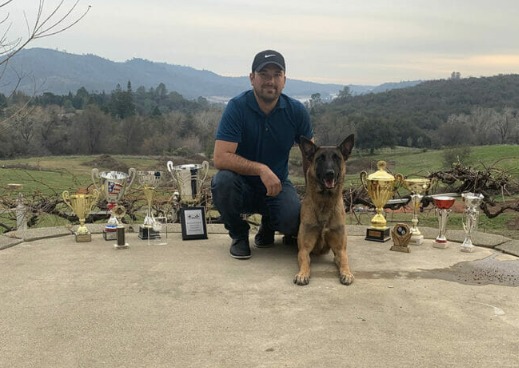
Spencer Bowman is a well established business owner, breeder, obedience trainer, and protection dog trainer with over twelve years of professional experience. He is the founder and owner of Prestige Protection Dogs, where he specializes in developing elite working dogs and offering a personal protection dog for sale to qualified clients. Spencer is the first American to qualify for the French Ring selectives with a self bred and fully trained dog, Lycan, achieving an average score of 374 out of 400 across five trials. He has also successfully trained and supported multiple teams in Mondio Ring and French Ring disciplines.