If you are on this page, then you are probably in the market for a dog. However, you might be worried about how your family will react, healthwise, to the pet once it has arrived. It is especially true for first-time dog owners. And no, you are not being paranoid.
According to the Asthma and Allergy Foundation of America, up to three out of every ten people in the United States are allergic to cats and dogs, so your fear is a valid one. Does that mean you can’t have a dog then? Will you be denied the joy of caring for a pet because you are allergic to fur? It can be very frustrating, especially when you have a valid need for a dog. A good example would be when you are in the market for a protection dog.
The good news is that there is a wide range of hypoallergenic dog breeds available for you to choose from. Several hypoallergenic dog breeds are available that are ideal for dog owners who suffer from allergies or have family members who suffer from allergies. Your allergies don’t have to keep you from owning a protection dog. Several of the most popular breeds, including dogs of all shapes and sizes, are hypoallergenic. You read the right article if you want to get a protection dog and are afraid of allergic reactions and what families in the USA should consider before investing in family protection dogs for sale in the USA. We will provide you with a list of some of our favorite hypoallergenic protector dogs, but before continuing, we should ask. What exactly is a hypoallergenic protector dog?
Understanding Hypoallergenic Dogs
The hypoallergenic label does not imply an allergy-free dog. The term “hypoallergenic” is used for dogs that are less likely to cause allergic reactions in sensitive people.
Dog allergies are caused by proteins found in a dog’s dander, saliva, and urine. It has nothing to do with hair length. It is the tendency of a dog to produce and release smaller or fewer amounts of allergenic proteins into a home environment that makes them more manageable for allergy sufferers.
Guard dogs are fantastic with children and make excellent companions. They are superb watchdogs, highly clever, and wise enough to distinguish strangers from family members. It will not be terrific if you do not get to have this added protection and companionship for your children because of your allergies.
What Is A Hypoallergenic Protector Dog?
If you are worried about allergic reactions and are wondering if getting a protector dog would trigger your allergies or that of your family member, then you have probably done a bit of research. You probably heard the word ‘hypoallergenic’ being tossed around in your research. What does it exactly mean for a protector dog to be hypoallergenic?
Hypoallergenic dog breeds are those that are more suited to allergy sufferers. Now let us get some of our facts straight. No dog breed is entirely allergen-free or hypoallergenic. These dogs are just the ones with the least likelihood of triggering your allergic reactions. As a result, just because your dog is hypoallergenic doesn’t guarantee it won’t trigger an allergic reaction in someone in your home who suffers from allergies. It simply implies that, in comparison to other breeds, the dog is considerably less likely to induce an allergic reaction.
Scientists believe that allergic reactions usually depend on the dog and the owners. You might be allergic to one dog but fine with another dog of the same breed. However, hypoallergenic dogs all have a few characteristics in common.
- They don’t shed, which means their coat is non-shedding and creates less dander.
- Because they don’t have hair, dander is less likely to attach to them.
- Have short, single-layered coats, which means dander is coming off the dog and lingering around in your home because there is no undercoat to shed.
You can see that the major word mentioned there is dander. Most people think that fur is the cause of allergic reactions to dogs, but it is dander. As a result, if your dog has a double coat, thick fur, and sheds a lot, you’re more likely to have dander flying around, which means you’re more likely to have an allergic reaction.
What Makes a Good Protection Dog?
A protection dog is not just a big, aggressive beast. Personal protection dogs do worth their salt will read a situation, obey commands exactly, and only when told.
Temperament, intelligence, obedience and confidence make a good protection dog.
Essential Qualities of an Effective Protection Dog
- Stable temperament and emotional control
- High intelligence and trainability
- Strong loyalty to handlers and family
- Ability to differentiate between real threats and normal activity
- Calm behavior in public and home environments
When these qualities are paired with hypoallergenic traits, the selection process becomes more specialized but still achievable.
Can a Dog Be Both Hypoallergenic and Protective?
Yes, but not all hypoallergenic dogs are good for protection work. Smaller hypoallergenic dogs make great pets, but they may not have the size or the drive necessary for personal protection.
A hypoallergenic protection dog must pass physical and psychological standards.
Important Factors That Bridge Both Needs
- Medium to large body size for deterrence
- Strong prey or defense drive suitable for protection training
- High focus and responsiveness to commands
- Low reactivity when not engaged
Proper professional training plays a major role in developing these traits safely and responsibly.
The Best Hypoallergenic Protector Dogs to Have
Let’s take a look at some of the greatest protector breeds for allergy sufferers now that you know what types of dogs are considered hypoallergenic.
1. Standard Schnauzer
The Standard Schnauzer’s appearance alone would indicate that they could be mistaken for a guard dog. Their strong and firmly shaped frame, as well as their gorgeous arched eyebrows, mustache, and beard, can’t be overlooked. They have a thick, rough coat and are a heavy-set breed. Male Schnauzers stand between 18.5 and 19.5 inches tall, while female Schnauzers stand between 17.5 and 18.5 inches tall.
They have a life expectancy of 13 to 16 years and weigh 35 to 50 pounds and 30 to 45 pounds, respectively. The Standard Schnauzer has a commanding presence that exudes nobility and pride. They are always attentive and ready to raise the alarm at the sight of unexpected faces or an invader. During training, they are intelligent and cooperative.
2. Giant Schnauzer
Giant Schnauzers are powerful, confident, and highly protective.
- Hypoallergenic wiry coat
- Strong guarding instincts
- Loyal and family-oriented
- Excellent working dog background
This breed requires experienced handling and structured training to channel their protective instincts appropriately.
3. Portuguese Water Dog
While not traditionally known as guard dogs, Portuguese Water Dogs can excel in protection roles when trained correctly.
- Low shedding coat
- Strong bond with family members
- High energy and intelligence
- Naturally alert and responsive
They are often better suited for families wanting a balanced companion and protection presence.
4. Lagotto Romagnolo
This breed is gaining attention for its hypoallergenic coat and working intelligence.
- Dense curly coat with minimal shedding
- Calm temperament
- Strong focus and trainability
- Best suited for lighter protection roles
They may not replace traditional protection breeds but can still provide deterrence and alertness.
Why Training Matters More Than Breed
The best breed in the world cannot make a good protection dog without good training. Professional training is a must if you want a dog who responds to commands and knows when he should protect.
A good training dog is predictable, safe, and reliable.
Core Elements of Professional Protection Training
- Obedience and impulse control
- Threat assessment and response control
- Social neutrality around strangers
- Environmental stability in public spaces
- Handler-dog communication
Organizations like Prestige Protection Dogs emphasize that protection training should always prioritize control, safety, and ethical handling practices.
Living With a Hypoallergenic Protection Dog
Owning a protection dog involves daily responsibility beyond basic pet care. For allergy-sensitive households, maintenance routines are especially important.
Grooming and Allergy Management Tips
- Regular professional grooming every four to six weeks
- Weekly bathing using hypoallergenic shampoos
- Consistent brushing to trap dander
- Air purifiers in common living spaces
Maintaining these habits helps minimize allergens while keeping the dog comfortable and healthy.
Family Protection Dogs and Children
One of the most common questions families have when shopping for family protection dogs for sale in the USA is “Are protection dogs safe around children?” The answer is it depends on training and temperament. If trained and selected correctly a family protection dog should be calm, gentle and safe with children.
What to Look for in a Family-Friendly Protection Dog
- Proven socialization with children
- Stable temperament under stress
- Clear off-duty behavior
- Strong obedience foundation
Responsible training providers focus on ensuring the dog understands the difference between family life and protection scenarios.
Legal and Ethical Considerations in the USA
Protection of dog ownership comes with legal responsibilities that vary by state.
Important Considerations
- Liability insurance requirements
- Local regulations regarding trained guard dogs
- Proper documentation of training
- Responsible handling in public spaces
Ethical training ensures that protection dogs are assets to community safety rather than risks.
How Prestige Protection Dogs Help Guide Buyers
Clients look for Professional Protection Dogs Trainers for answers to their questions and information. Prestige Protection Dogs in the USA provide a reputable standard in the way of organized training and placement of personal protection dogs that have completed their training.
When it comes to information about personal protection dogs we, at Prestige Protection Dogs, take pride in the resources we provide to help interested clients have realistic expectations about owning such a dog, what breeds are best suited for personal protection, and we advise about legal obligations and important responsibilities of owning a personal protection dog. We strive to make sure the right dog goes to the right home, especially in cases when allergies may be an issue.
We have, in place, high temperament, health, and advanced training standards and look at these areas in the safest manner when training and placing our trained personal protection dogs. This ensures the safest possible outcome for families that need personal security protection. This is especially useful to those clients that have never owned a trained personal protection dog before.
Myths About Hypoallergenic Protection Dogs
There are several misconceptions that can mislead buyers.
Common Myths
- Hypoallergenic dogs do not trigger allergies at all
- Small dogs cannot be effective protection dogs
- Protection dogs are naturally aggressive
- Training removes a dog’s friendliness
In reality, professionally trained protection dogs are often calmer and more obedient than untrained pets.
Final Thoughts
The ideal hypoallergenic protection dog isn’t based on breed alone. It’s about selective breeding, professional training, and responsible ownership all coming together. For families with allergies who want added security, this balance is possible with proper guidance and preparation.
Educational resources and professional insights like those shared by Prestige Protection Dogs guide buyers in what to really look for when choosing a protection dog. Approach it correctly, and hypoallergenic protection dogs can offer both safety and peace of mind without a health compromise.
About Prestige Protection Dogs
We strive to deliver the highest quality personal protection dogs for sale USA in the industry. With our protection dog trainers’ knowledge of breeds, obedience training, and protection training, we can provide you with a dog that will make you feel safe and secure in any circumstance.
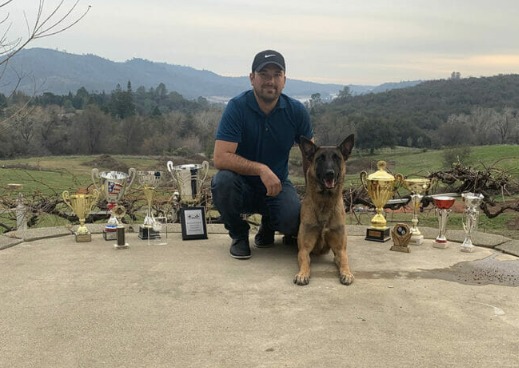
Spencer Bowman is a well established business owner, breeder, obedience trainer, and protection dog trainer with over twelve years of professional experience. He is the founder and owner of Prestige Protection Dogs, where he specializes in developing elite working dogs and offering a personal protection dog for sale to qualified clients. Spencer is the first American to qualify for the French Ring selectives with a self bred and fully trained dog, Lycan, achieving an average score of 374 out of 400 across five trials. He has also successfully trained and supported multiple teams in Mondio Ring and French Ring disciplines.