An adult German Shepherd needs 1 to 2 hours of exercise daily, split into two or three sessions, plus mental work.
Every week, I hear the question of how much exercise a shepherd really needs. I understand why. In 2026, many buyers still choose based on looks, then struggle with a bored, restless dog. I have bred and trained these dogs for over a decade. A shepherd with a proper outlet is calm, focused, and a joy at home. Anyone browsing a German Shepherd dog for sale should know about the commitment it demands.
How Much Exercise Does an Adult German Shepherd Need?
Most healthy adults need 60 to 120 minutes of activity each day, ranging from one to two hours. I use 90 minutes as a working average for dogs between 2 and 6 years old.
Split that time into sessions. A morning run, a midday training block, and an evening walk work well. One long weekend hike cannot make up for a dull week.
A slow leash walk is only a warm-up for this breed. Your dog needs to run, sniff, chase, and think. Energy levels also differ between dogs. If you want an even higher-drive dog, read my breakdown of the German Shepherd and Belgian Malinois.
How Much Exercise Does a German Shepherd Puppy Need?
Puppies need less than you think; their growth plates remain open for months, and too much impact can cause lasting joint damage. The PDSA warns that over-exercised puppies risk
arthritis and hip dysplasia later.
A common guide is 5 minutes per month of age, up to twice daily. A 4-month-old gets about 20 minutes per session. Here is how I scale it.
| Age | Daily Exercise | Focus |
| 8-12 weeks | 5-10 minutes, 2-3 times | Gentle play, Socialization |
| 3-6 months | 5 minutes per month of age, up to twice daily | Short walks, sniffing games |
| 6- 12 months | 30-45 minutes, split up | Light training, free play |
| 12-18 months | Up to 60 minutes | But stamina slowly |
| 2-6 years | 90-120 minutes | Full adult routine |
Skip forced jogging, repeated jumping, and long stair climbs until your vet confirms growth is complete. This is also why I ask breeders for hip and elbow screening. Shepherds are prone to both conditions.
Best Exercises for a German Shepherd
Variety keeps this breed engaged. I rotate these with my own dogs:
- Brisk walks and hikes: the daily base.
- Fetch and flying disc: great for adults with healthy joints.
- Swimming: easy on the joints, ideal for any age.
- Tracking and scent games: these tire the brain fast.
- Obedience drills: short, sharp and rewarding.
- Agility: only after growth plates have closed.
Families often ask me about family protection dogs for sale and whether a big yard is enough; it is not. A German Shepherd left alone in a yard will patrol, dig, and bark; your time together matters most.
Does Mental Exercise Count?
Absolutely, the breed was built to work. Ten minutes of focused training can tire a shepherd more than a long, aimless walk.
Try these simple ideas:
- Hide treats around the house.
- Teach a new trick each week.
- Use puzzle feeders at mealtime
- Practice a long down-stay while you cook.
Experts claim that mental stimulation shapes behaviour as much as physical effort does.
Daily Exercise Routine
A routine matters more than any single long outing. Here is a simple schedule for a healthy adult working about 90 minutes in total:
- Morning (30 minutes): a brisk walk or jog before the day gets busy.
- Midday (15 minutes): a training session with sits, downs, and recalls.
- Afternoon (30 minutes): fetch, swimming, or a scent game in the yard or park.
- Evening (15 minutes): a calm, slow walk to help your dog wind down.
Adjust the plan to your dog’s age, health, and temperament. A dog that settles easily after 60 minutes may be perfectly fine, while a younger, high-drive dog may need more. Consistency is what builds a dependable, relaxed companion.
Exercise for Senior German Shepherds
Most shepherds slow down around 7 years of age. They still need daily movement, but at a gentler pace. Aim for 30 to 60 minutes, broken into short, frequent walks.
Swimming and sniff walks are excellent choices. Avoid hard jumps and steep stairs, which strain aging hips and backs. Ask your vet for a plan if you notice stiffness or limping.
Signs of Too Little or Too Much Exercise
Your dog’s behavior tells the story. Watch for these signals:
| Too Little | Too Much |
| Chewing and digging | Limping or stiffness |
| Pacing and whining | Heavy panting that won’t ease |
| Excess barking | Lagging behind on walks |
| Weight gain | Reluctance to move the next day |
Also avoid hard exercise for an hour before and after meals to reduce the risk of bloating. In hot weather, walk at dawn or dusk.
How Can You Tell If Your German Shepherd Is Getting Enough Exercise?
German Shepherds need a balance of physical activity, mental stimulation, and rest. However, the right amount of exercise varies from dog to dog. Your German Shepherd’s behavior, fitness, and recovery can help you decide whether its daily routine is appropriate.
Here are some signs to pay attention to:
- Settles comfortably at home: Your dog can relax after walks, training, and play instead of constantly seeking activity.
- Maintains a healthy body condition: Your dog maintains an appropriate weight and muscle condition for its age and build.
- Shows interest in activities: Your dog is generally willing to walk, explore, play, and participate in training.
- Recovers comfortably: Your dog returns to its normal breathing and behavior after exercise without unusual fatigue or prolonged discomfort.
- Displays manageable behavior: Your dog can focus during training and has opportunities to engage in appropriate activities rather than repeatedly resorting to destructive behavior out of boredom.
If your dog seems constantly restless, always seeking your attention or destroying things it could be a sign. It doesn’t necessarily mean they need more exercise though. There are many other reasons a dog may act this way as well. Such as stress, not getting enough sleep, lack of training or a medical condition.
Similar to how if your dog is panting too much, extremely tired, limping, stiff or unwilling to walk you may want to evaluate what they are doing or see if there’s a medical concern.
How Much Exercise Does a Protection-Trained German Shepherd Need?
Many people think protection training burns off a dog’s energy. It does not; bite work sessions are short and mostly mental. The rest of the day still needs real exercise. I explain this in detail in my guide on what to expect from a protection-trained dog.
When clients ask about personal protection dogs for sale, I tell them the same thing. A balanced dog can switch off in the house. That calm only comes from a daily routine of exercise and structure.
Why Choose Prestige Protection Dogs for a Well-Matched German Shepherd?
Check out our trained German Shepherds and get in touch; we will help you find the right fit, whether you want a quiet family guardian or a travel-ready working partner. You will also receive clear guidance on daily care, so your dogs stay healthy and settled. Champion trainer and founder Spencer Bowman personally trains and delivers every dog. At Prestige Protection Dogs, we match each dog to your lifestyle before you buy. A dog that suits a runner may not suit a busy executive. We will help you identify one for your life.
When Should You Ask a Veterinarian About Exercise?
There are many reasons why your german shepherd may need to exercise more or less than normal. They may be older, overweight, injured or have a preexisting illness. You should always talk to your vet if your dog has any of these or if you would like to increase exercise drastically.
Pay particular attention to the following warning signs:
- Limping or stiffness: Your dog favors one leg, struggles to rise, or appears uncomfortable after a walk.
- Unusual fatigue: Your dog tires much sooner than normal or takes an unusually long time to recover.
- Breathing difficulties: Your dog struggles to breathe or shows excessive panting that does not settle after stopping activity.
- Reluctance to exercise: Your normally active German Shepherd suddenly refuses walks, avoids stairs, or loses interest in play.
- Changes in movement: Your dog develops an altered gait, weakness, or difficulty coordinating its legs.
- Sudden behavior changes: Your dog becomes unusually withdrawn, irritable, or unwilling to participate in normal activities.
Conclusion
A German Shepherd needs 1 to 2 hours of daily exercise, with puppies and seniors needing less. Add mental work, watch your dog’s signals, and adjust with your vet. Do that, and you will have a calm, confident companion for life. Choose a dog whose energy fits your routine, and the rest becomes much easier.
Frequently Asked Questions
1. Is a 30-minute walk enough for a German Shepherd?
A 30-minute walk can be a good part of a German Shepherd’s daily routine, but it may not be enough as the only activity for many healthy adults. German Shepherds generally benefit from a combination of walks, play, training, scent games, and other activities suited to their fitness and health. Puppies, senior dogs, and dogs with medical conditions may need a different routine. Watch your dog’s behavior and consult your veterinarian to determine an appropriate exercise plan.
2. Is a German Shepherd high maintenance?
Yes, German Shepherds can be relatively high maintenance because they need regular exercise, mental stimulation, consistent training, and frequent grooming. Their thick double coat sheds throughout the year, with heavier shedding periods seasonally. They also benefit from routine veterinary care and responsible monitoring of joint health. Before bringing one home, consider whether you can consistently provide the time, attention, and training this intelligent, active breed needs.
3. How long should you walk a German Shepherd a day?
Many healthy adult German Shepherds benefit from around 1–2 hours of total daily activity, divided into manageable sessions. Walking can make up a substantial part of that routine, but the ideal walking time depends on your dog’s age, fitness, health, and energy level. Include opportunities for sniffing, play, and training rather than relying exclusively on long walks. Puppies and senior dogs may need shorter, gentler activities.
4. What is the hardest age with a German Shepherd?
For many owners, adolescence, often beginning around six months and continuing into the second year, can be particularly challenging. During this stage, German Shepherds may test boundaries, become more easily distracted, and have difficulty responding consistently to familiar commands. Development varies between dogs, so this is not a fixed timeline. Consistent reward-based training, appropriate exercise, socialization, and sufficient rest can help your dog navigate this period.
5. Is one hour of walking a day enough for a dog?
It depends on the individual dog’s breed, age, health, fitness, and temperament. One hour may be sufficient walking for some dogs, while active breeds such as German Shepherds may need additional physical activity and mental enrichment. Puppies and dogs with mobility or health concerns may require shorter or modified exercise sessions. Consider your dog’s overall daily routine rather than judging exercise needs by walking time alone.
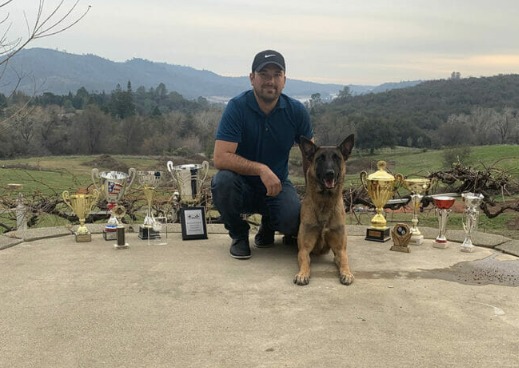
Spencer Bowman is a well established business owner, breeder, obedience trainer, and protection dog trainer with over twelve years of professional experience. He is the founder and owner of Prestige Protection Dogs, where he specializes in developing elite working dogs and offering a personal protection dog for sale to qualified clients. Spencer is the first American to qualify for the French Ring selectives with a self bred and fully trained dog, Lycan, achieving an average score of 374 out of 400 across five trials. He has also successfully trained and supported multiple teams in Mondio Ring and French Ring disciplines.