Yes, Rottweilers make good personal protection dogs, but the answer comes with a catch. Is your biggest concern whether a Rottweiler will actually step up when it matters? I’ve spent years working with the breed. Their confidence, loyalty, and physical presence set them apart from most family pets. This is exactly why so many buyers searching for a Rottweiler protection dog for sale trust the breed over more striking alternatives; it offers real, dependable protection without losing its affectionate side at home. But not every Rottweiler is guard-dog material without the right guidance.
Here, we’ll break down the traits that make them effective protectors, and how to know if one’s the right fit for your home.
Rottweiler as a Protection Dog at a Glance
| Factor | Rottweiler |
| Protection Instinct | Very High |
| Trainability | High |
| Family Loyalty | Very High |
| Physical Deterrence | Excellent |
| Energy Level | Moderate to High |
| Stranger Awareness | High |
| Family Compatibility | Good with proper training and supervision |
| Best For | Experienced owners, families, personal protection |
| Professional Training | Strongly Recommended |
Rottweilers combine physical strength with intelligence, confidence, and strong attachment to their handlers. What makes the breed particularly valuable for personal protection is not simply its size. A suitable Rottweiler can learn when to remain neutral, when to alert, and how to respond to its handler in demanding situations.
Will a Rottweiler Naturally Protect You?
Short answer: yes, to a degree. Rottweilers are known for being powerful, protective, and loyal. Guarding instinct is built into the breed. I see this in nearly every Rottweiler that comes through my facility. Even untrained puppies act on it. They sit near the door. They watch strangers a little too closely. They plant themselves between visitors and their family. That instinct is real. It shows up early, often before a dog gets any formal training.
Bred for the Job, Not Just the Look
According to the American Kennel Club, the Rottweiler descends from the herding dogs of ancient Rome. These dogs drove cattle alongside traveling armies. They helped keep soldiers fed on long campaigns. Cattlemen and butchers trusted them with more than livestock. They tied money pouches around the dogs’ necks. No thief would risk getting close to a dog guarding it. By the early 1900s, that same instinct made the breed a natural fit for police work. Their original job as drovers had disappeared with the rise of railroads.
Confidence Over Aggression
People assume it’s the size and the bark that make a Rottweiler intimidating. In my experience, it’s really the composure. A well-bred, well-raised Rottweiler doesn’t react to everything. It reads a situation first. It decides whether something is actually a threat. Then it responds, instead of working up on instinct alone. That calm-before-action temperament is what separates a real protector from a dog that’s just loud.
Male or Female: Which Rottweiler Guards Harder?
I get asked this constantly. The honest answer is that neither sex has a monopoly on protectiveness. It comes down more to temperament, bloodline, and training. Males tend to run larger and more physically imposing. That size adds to the deterrent effect just from presence. Females often mature a little faster. In my experience, they can be slightly more focused during training.
Proper Socialization Aids Better Guarding
Guarding instinct only works in your favor when a dog can differentiate between a real threat and a normal visitor. That skill comes from early, consistent exposure to new people and places. It should start well before six months of age. A properly socialized Rottweiler learns to trust your judgment. It learns who belongs and who doesn’t, instead of making that call alone.
Rottweilers in Family Homes
Yes, they do well in family homes. This often surprises people who only know the breed’s reputation. Around their own family, Rottweilers are typically affectionate and patient. They’re remarkably gentle, especially with kids they’ve grown up around. This is exactly why they show up so often on lists of family protection dogs for sale. The same size and confidence that make them effective protectors also make them unshakable presences at home.
Rottweiler Temperament Matters More Than Appearance
A large Rottweiler naturally creates an imposing physical presence, but appearance should never be the primary criterion when selecting a personal protection dog.
Temperament matters considerably more. A suitable protection candidate should demonstrate confidence without unnecessary reactivity, willingness to work with a handler, environmental stability, and the ability to recover appropriately from unfamiliar situations.
This is also why selecting a dog solely because it is large, muscular, or intimidating can be a mistake. Professional protection dog providers evaluate the individual dog’s temperament, genetics, health, drive, and trainability before determining whether it is appropriate for advanced protection work.
Loyalty That Doesn’t Quit
Once a Rottweiler bonds with its family, that bond runs deep. It doesn’t fade. They stay close. They pick up on small changes in routine or mood. They’ll put themselves between their people and danger without hesitation. Whether you’re comparing a Rottweiler and German Shepherd, or you’ve already picked the breed, this loyalty is the trait owners mention most.
What Does Professional Protection Training Teach a Rottweiler?
Professional protection training goes significantly beyond basic commands such as sit and stay. Before advanced protection work begins, the dog should demonstrate reliable obedience, environmental confidence, and an appropriate temperament.
Depending on the individual dog and training objectives, professional training may develop:
- Reliable obedience around distractions
- Controlled responses and reliable recall
- Confidence in unfamiliar environments
- Appropriate behavior around family members and visitors
- Handler engagement and control
- Scenario-based protection skills
The objective is control rather than uncontrolled aggression. A professionally trained Rottweiler should understand its handler, remain manageable in everyday environments, and respond appropriately according to its training.
Instinct Without Training Is a Liability
Here’s the downside a lot of buyers don’t want to hear:
- An untrained Rottweiler with a strong guarding instinct isn’t automatically an asset. It’s a real downside of the breed.
- Left unguided, that instinct can misread normal behavior as a threat. This can lead to territorial or resource-guarding aggression toward strangers. That’s part of why Rotties carry a bad reputation.
- They’re powerful, headstrong, and often over 100 pounds. That makes them a poor fit for first-time or inexperienced dog owners.
- Managing a hyper-vigilant dog also takes constant attention. Pet parents in dog communities often call this a real daily stressor.
- The drive that makes a Rottweiler protective can just as easily turn into a problem without early, consistent training.
- This is why serious buyers look for personal protection dogs for sale that come already trained. It’s safer than raising the instinct alone and hoping it turns out well.
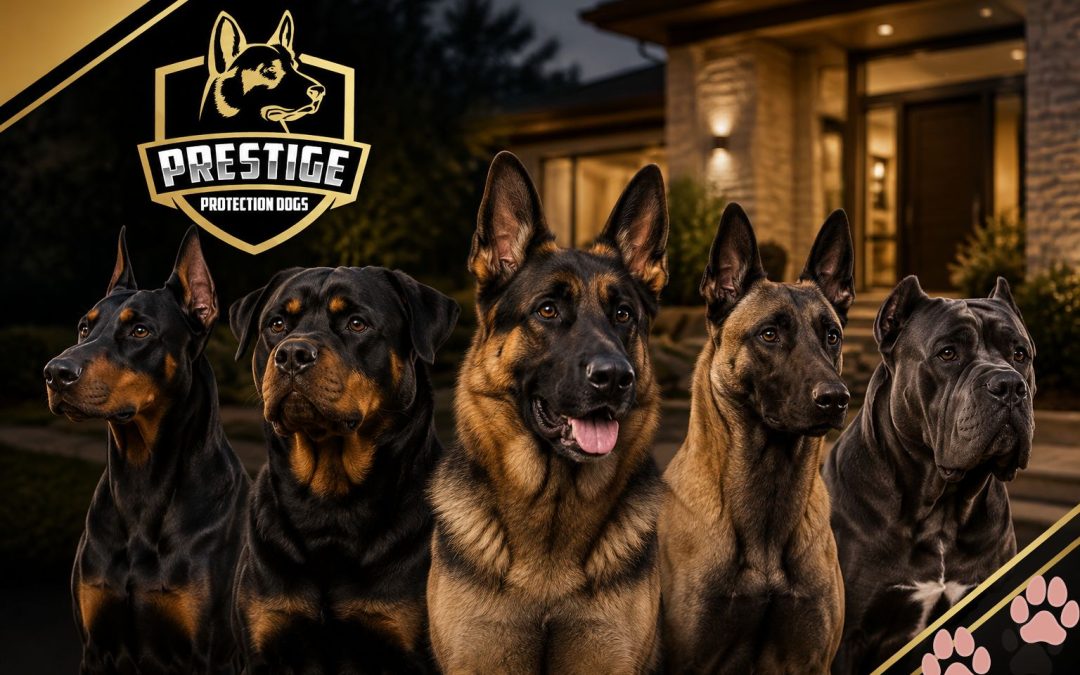
Rottweiler vs German Shepherd vs Belgian Malinois for Protection
| Feature | Rottweiler | German Shepherd | Belgian Malinois |
| Natural Protection Instinct | Very High | Very High | Very High |
| Trainability | High | Very High | Very High |
| Physical Deterrence | Excellent | Excellent | High |
| Energy Requirement | Moderate to High | High | Very High |
| Family Compatibility | Good with proper training | Excellent with proper training | Good for experienced households |
| Working Intensity | High | High | Very High |
| Best Suited For | Family and personal protection | Versatile family and executive protection | Experienced handlers and demanding working roles |
There is no universally superior protection breed. A Rottweiler may appeal to someone seeking substantial physical presence, loyalty, and family companionship. German Shepherds are highly versatile, while Belgian Malinois are generally better suited to handlers prepared for an extremely active working dog.
The individual dog’s temperament and training are ultimately more important than selecting a breed based solely on reputation.
Personal Protection Dogs from Prestige Protection Dogs
I, Spencer Bowman, have trained protection dogs for over twelve years. Prestige Protection Dogs was built on my experience and expertise. I hand-select every dog for temperament, breeding, and drive before training even begins. Each one goes through structured obedience, threat assessment, and controlled protection work. That’s what turns instinct into real, dependable protection. Families across the country trust us for protection dogs for sale in New York and beyond. If you’re ready for a protector you can actually rely on, reach out today. Let’s find the right dog for your family.
Final Note
A Rottweiler’s guarding instinct is real. But it only works with early socialization and professional training. Left alone, that instinct can turn into a liability. Owners must commit to consistent training and daily care. Do that, and you get a loyal, confident protector built for real family life.
Frequently Asked Questions
1. Are Rottweilers good personal protection dogs?
Yes. Rottweilers can make excellent personal protection dogs because of their confidence, loyalty, strength, intelligence, and natural guarding instincts. Proper selection, socialization, and professional training are essential.
2. Will a Rottweiler naturally protect its owner?
Rottweilers naturally tend to be protective of their families and territory. However, natural instinct should not replace professional protection training, particularly when reliable control and appropriate threat response are required.
3. Are Rottweilers good family protection dogs?
Yes, a well-bred and properly trained Rottweiler can combine family companionship with protection. Their interactions with children should still be supervised because Rottweilers are large and powerful dogs.
4. At what age do Rottweilers become protective?
Protective tendencies can begin appearing while a Rottweiler is still young, but maturity varies between individual dogs. Early socialization and obedience training are important for developing these instincts appropriately.
5. Are male or female Rottweilers better for protection?
Both males and females can become capable protection dogs. Males are generally larger and may provide greater visual deterrence, while individual temperament, genetics, health, drive, and training matter more than sex alone.
6. Do Rottweilers need professional protection training?
Professional training is strongly recommended when a Rottweiler is expected to perform genuine personal protection work. Training helps develop obedience, handler control, environmental stability, and controlled protection responses.
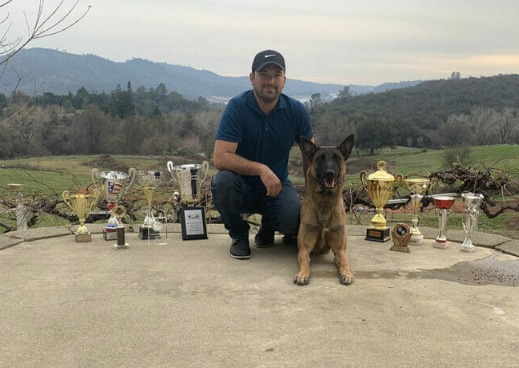
Spencer Bowman is a well established business owner, breeder, obedience trainer, and protection dog trainer with over twelve years of professional experience. He is the founder and owner of Prestige Protection Dogs, where he specializes in developing elite working dogs and offering a personal protection dog for sale to qualified clients. Spencer is the first American to qualify for the French Ring selectives with a self bred and fully trained dog, Lycan, achieving an average score of 374 out of 400 across five trials. He has also successfully trained and supported multiple teams in Mondio Ring and French Ring disciplines.