With an increasing focus on personal security, many families are turning to protection dogs as a means of safeguarding their loved ones and their homes. These specially trained canines possess the skills necessary to provide security and ward off potential threats. However, one question remains: can a personal protection dog also fulfill the role of a family pet, offering the affection, companionship, and playfulness that we associate with traditional family dogs? In this article, we will explore the intricacies of owning a protection dog and determine if it is possible to integrate them into a family environment without compromising safety or harmony.
Understanding Protection Dogs
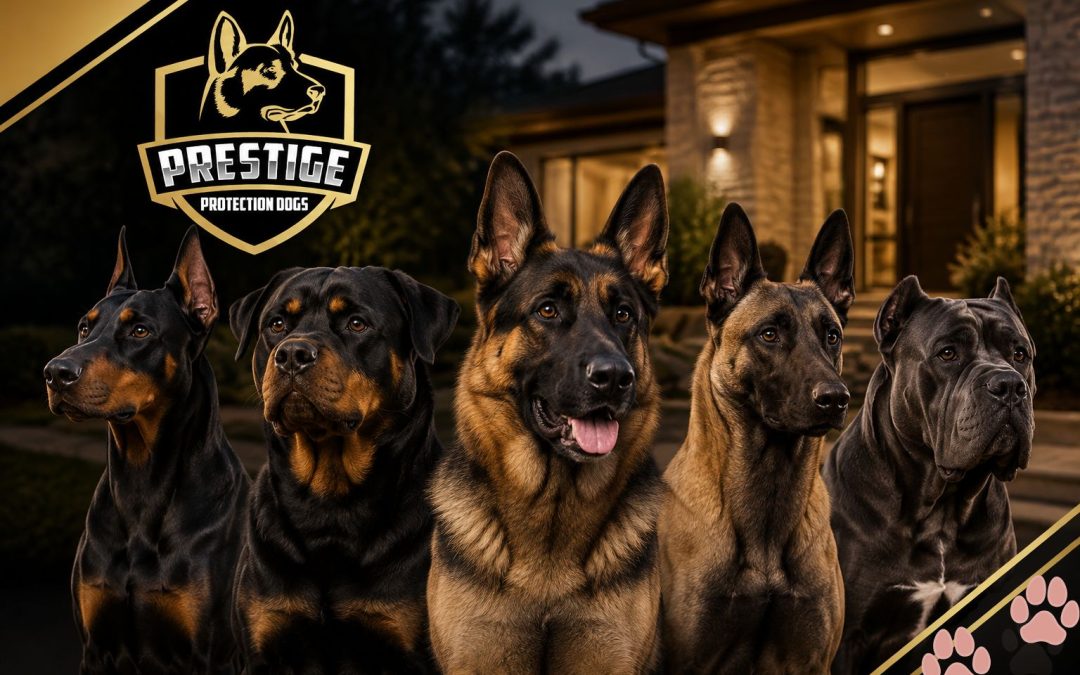
Protection dogs are typically bred from working dog breeds such as German Shepherds, Belgian Malinois or other breeds. They undergo rigorous training that taps into their innate guarding instincts, enabling them to assess situations, detect threats, and take appropriate action to protect their owners. This intensive training sets them apart from conventional family pets, as they are conditioned to respond assertively in potentially dangerous scenarios.
Challenges to Consider
Successfully integrating a protection dog into a family setting requires careful consideration of various factors. One of the primary challenges lies in ensuring that the dog’s protective nature does not manifest as aggression towards family members or guests. Adequate training, socialization, and consistent reinforcement of boundaries are crucial to mitigate any risks. Additionally, protection dogs often require extensive exercise and mental stimulation, demanding significant time and effort from the family.
Temperament and Socialization
A well-trained protection dog should exhibit a balanced temperament, enabling them to differentiate between potential threats and everyday situations. Early socialization plays a crucial role in their development, helping them to display appropriate behavior around children, strangers, and other animals. Exposing them to diverse environments and ensuring positive experiences will contribute to their growth as confident and sociable companions.
Professional Guidance and Training
Owning a protection dog should not be taken lightly. Seeking professional guidance from reputable protection dog trainers and organizations specializing in protection dogs is essential. These experts can assess the compatibility of a particular protection dog breed with your family’s lifestyle and guide you through the training process. Their expertise will ensure that the dog’s protective instincts are appropriately channeled while maintaining a safe and harmonious environment. It’s also very important to get your protection dog from an experienced reputable protection dog company.
Maintaining a Balanced Family Life
Establishing a harmonious atmosphere within a family that includes a protection dog is paramount. Clear communication and consistency in training methods are crucial for all family members. Children should be educated on proper behavior around the dog, and parents should supervise interactions to prevent any potential mishaps. It is also important to allocate ample time for exercise, play, and affection to fulfill the dog’s physical and emotional needs.
The Benefits of Owning a Protection Dog
Despite the challenges, owning a protection dog can provide numerous benefits to a family. The mere presence of a well-trained protection dog acts as a deterrent to potential intruders, instilling a heightened sense of security. Furthermore, these dogs can develop a strong bond with their human family, offering loyalty, affection, and an unparalleled level of companionship and protection.
While integrating a protection dog into a family environment necessitates careful planning, training, and ongoing commitment, it is indeed possible to strike a balance between their protective instincts and their role as a family pet. With the right training, socialization, and dedication from all family members, a protection dog can become a cherished companion and a dependable guardian, ensuring the safety and well-being of the entire.
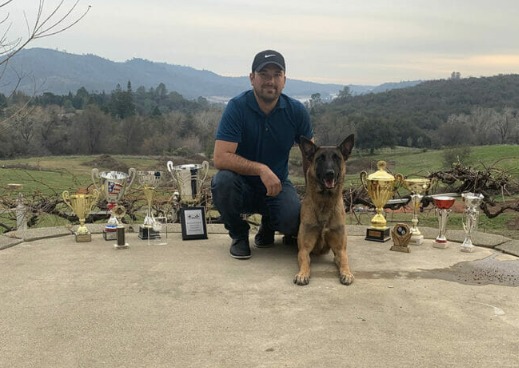
Spencer Bowman is a well established business owner, breeder, obedience trainer, and protection dog trainer with over twelve years of professional experience. He is the founder and owner of Prestige Protection Dogs, where he specializes in developing elite working dogs and offering a personal protection dog for sale to qualified clients. Spencer is the first American to qualify for the French Ring selectives with a self bred and fully trained dog, Lycan, achieving an average score of 374 out of 400 across five trials. He has also successfully trained and supported multiple teams in Mondio Ring and French Ring disciplines.