Owning property with sprawling acreage presents security concerns that suburban housing developments will never know. Wide open spaces, remote outbuildings, animal pens, miles of fencing. Each provides temptation and access for predators, trespassers and thieves. A good stock dog is far from being a “nice to have” on your property–she’s often your first line of defense against coyotes, stray dogs and even human threats.
While training is incredibly important, your choice of breed is relevant as well. There are dogs specifically bred to guard livestock from within the herd–these dogs work from the sheep or goats’ side and attack predators on contact. Then there are breeds that focus on guarding the homestead from without, circling the property and warning the family of anything suspicious. Knowing which is which and what your property actually needs, is the first step towards keeping your land secure.
Find descriptions of several of the top breeds for ranch and rural protection, below. We’ll also discuss what makes a farm dog effective, in the first place.
Why Farm and Ranch Properties Need Specialized Protection Dogs
Rural properties are fundamentally different from residential lots, and the dogs that thrive there need traits that a city dog rarely requires.
- Large territories to cover: Many working farms span dozens or hundreds of acres, so a dog needs stamina, independence, and the instinct to patrol without constant human direction.
- Livestock-specific threats: Coyotes, foxes, birds of prey, and even mountain lions in some regions target chickens, lambs, and calves, so breeds with strong prey-drive control and protective instincts are essential.
- Weather exposure: Farm dogs often work outdoors in extreme heat, cold, rain, and snow, which means a heavier coat or higher cold/heat tolerance becomes a practical requirement, not just a preference.
- Family and worker safety: A good farm dog needs to distinguish between familiar faces (family, hired hands, delivery drivers) and genuine threats, which takes both natural temperament and structured training.
- Property and equipment security: Barns, sheds, and expensive machinery are common targets for theft in isolated areas, and an alert dog can deter this long before anyone calls the police.
Top Dog Breeds for Farm and Ranch Protection
Here is a closer look at some of the most dependable breeds used for rural and homestead security work today.
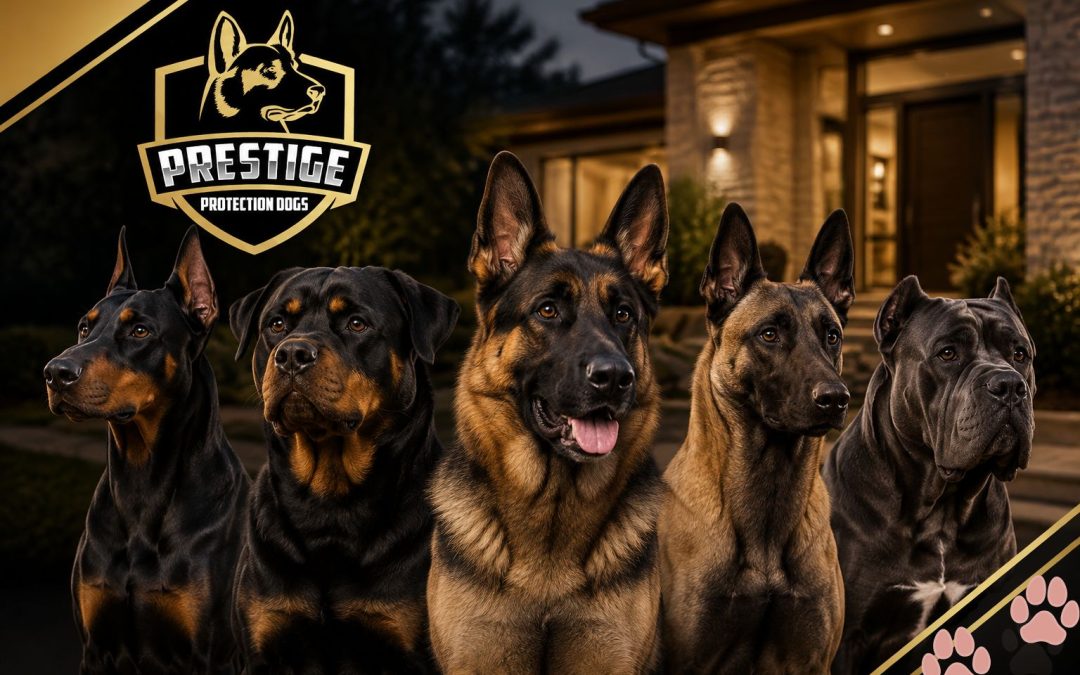
- German Shepherds – Regarded as being extremely multipurpose when it comes to working breeds, German Shepherds are intelligent, easy to train, and protective. They’re often used as police/military dogs because of how obedient they are when under stress.
Shop German Shepherds Protection Dogs Now
- Belgian Malinois – Known for their agility and relentless work ethic, Malinois dogs are high-energy and thrive on having a job to do. They’re an excellent match for active ranch environments where a dog needs to cover ground quickly.
Shop Belgian Malinois Protection Dogs Now
- Giant Schnauzer – Originally bred as a farm dog in Germany, the Giant Schnauzer has deep roots in agricultural work. They’re loyal, watchful, and naturally wary of strangers, making them a strong fit for homestead life.
Shop Gaint Schnauzer Protection Dogs Now
- Cane Corso – Stubbornly strong and Italian mastiff type dog, the Cane Corso commands attention and serves for centuries as a watchdog. They’re often relaxed inside, but extremely vigilant when they sense something isn’t right.
Shop Cane Corso Protection Dogs Now
- Executive Protection Dog – These are dogs trained to an elevated protection standard, often suited for families or property owners who want a dog capable of both close personal protection and general property security.
- Dutch Shepherds – A close cousin to the Belgian Malinois and German Shepherd, Dutch Shepherds were originally used to herd and guard livestock in the Netherlands. They’re hardy, weather-resistant, and highly biddable.
Shop Dutch Shepherds Protection Dogs Now
- Doberman Pinscher – Sleek, fast, and fiercely loyal, Dobermans are known for their sharp reflexes and strong bond with their handler. They tend to be more sensitive to their family’s routines, which makes them excellent at noticing when something is out of place.
Shop Doberman Pinscher Dogs Now
- Rottweilers – A breed with genuine cattle-driving history, Rottweilers are naturally sturdy, confident, and protective of their territory. Their imposing size alone is often enough to deter would-be intruders.
Shop Rottweilers Protection Dogs Now
- Anatolian Shepherd – Bred specifically to guard livestock in Turkey, Anatolian Shepherds are independent thinkers who can be trusted to patrol large pastures without constant supervision.
- Great Pyrenees – A classic livestock guardian breed, the Great Pyrenees is known for bonding closely with sheep and goats, sleeping among the herd, and confronting predators head-on when necessary.
- Kangal – Native to Turkey, Kangals are massive, powerful dogs bred to face down wolves and other large predators. They’re calm around livestock but formidable against threats.
- Bullmastiff – Originally developed to catch poachers on English estates, Bullmastiffs are quiet, watchful, and physically imposing, making them well suited to guarding barns and outbuildings.
- Akbash – Similar in role to the Great Pyrenees, Akbash dogs are all-white livestock guardians bred in Turkey, valued for their independence and strong protective instincts.
- Boerboel – A South African breed developed for farm protection, Boerboels are muscular, alert, and known for forming close bonds with their families while remaining suspicious of strangers.
- Caucasian Shepherd – One of the largest and most powerful guardian breeds, the Caucasian Shepherd was bred to protect livestock from bears and wolves in mountainous regions, making it a serious deterrent on any property.
What Makes a Great Farm Dog Beyond the Breed
Breed selection is only part of the equation. Temperament, training, and how the dog is raised on the property all play a major role in how effective it becomes.
- Early socialization – A farm dog needs exposure to livestock, farm equipment, vehicles, and different people from a young age to develop sound judgment.
- Structured obedience training – Even the most naturally protective breed needs reliable recall, boundary training, and command responsiveness to be safe around family members and visitors.
- Health and physical soundness – Larger guardian breeds are prone to joint issues, so regular vet checkups and proper nutrition matter for long-term working ability.
- Clear roles on the property – Some dogs are better suited to living with the livestock, while others are better as homestead or perimeter guardians; understanding this distinction helps set the dog up for success.
- Ongoing reinforcement – Protection instincts and obedience both fade without consistent reinforcement, so periodic refresher training keeps a dog sharp over the years.
Matching the Right Dog to Your Property
Every ranch and farm is different. What works on a plot of open pasture with livestock predation may not work as well on a small hobby farm focused on home defense. Likewise, an area with serious predator pressure might not be ideal for a lighter, people-focused breed. Other considerations include climate, presence of young children, how much daily handling the dog will receive, and whether you want a dog that can work independently or will be partnered with a handler.
That’s why it helps to work with a knowledgeable source who has hands-on experience with multiple breeds. At Prestige Protection Dogs, we specialize in German Shepherds and other high-drive working lines, and our experience with professional protection training can help property owners understand temperament, drive and trainability across a variety of breeds. Even if you ultimately decide to go with a livestock guardian breed instead of a personal protection dog for sale, knowing how professional handlers assess working breed temperament can clear up a lot of confusion.
And for readers interested in dogs that are trained to a higher protection standard (rather than relying primarily on livestock guarding instincts) we can also provide some insight into what that training entails. From the ground up, our trainers can show you what structured protection training actually looks like starting with basic obedience and progressing to advanced protection work. With experience in breeds like Belgian Malinois, Cane Corso and Rottweilers, we also have a good understanding of how various working lines can fit different property types and family dynamics.
Final Thoughts
A good fit dog that has been trained properly can become one of your most valuable assets on a working farm or ranch. Whether you need to guard livestock against predators, patrol open acres, or just want some extra eyes and ears around the farm at night, having the right breed will make all the difference.
Take time to assess your property’s vulnerabilities, your family’s lifestyle, and how much time you have for training and upkeep when selecting a breed – and don’t hesitate to consult with knowledgeable trainers and resources such as Prestige Protection Dogs when you want to learn more about what dedicated, professional protection training can do. Contact us now!
Frequently Asked Questions
1. What is the best all-around dog breed for a small farm?
German Shepherds are often considered the best all-around choice due to their intelligence, trainability, and adaptability to different farm tasks.
2. Do livestock guardian dogs need special training?
Yes, even natural guardian breeds benefit from early socialization with livestock and basic obedience training to avoid confusion or aggression issues.
3. Can farm protection dogs live indoors with the family?
Many can, especially versatile breeds like Dobermans or German Shepherds, though livestock guardian breeds typically do best living outdoors near the animals they protect.
4. How many acres does a farm dog need to effectively patrol?
This varies by breed and individual dog, but larger guardian breeds like the Anatolian Shepherd or Kangal can generally cover several dozen acres independently.
5. At what age should a farm dog start protection or guardian training?
Basic socialization and obedience should start as early as 8-12 weeks, with more structured protection or guardian work typically introduced between 6 months and 1 year.
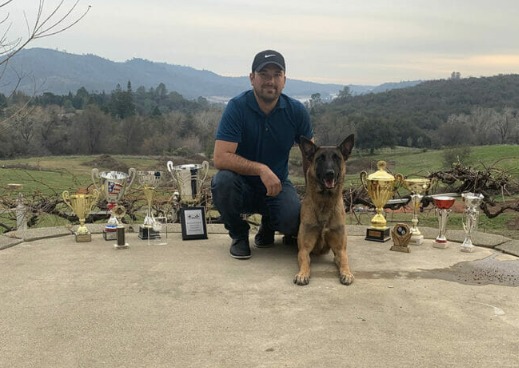
Spencer Bowman is a well established business owner, breeder, obedience trainer, and protection dog trainer with over twelve years of professional experience. He is the founder and owner of Prestige Protection Dogs, where he specializes in developing elite working dogs and offering a personal protection dog for sale to qualified clients. Spencer is the first American to qualify for the French Ring selectives with a self bred and fully trained dog, Lycan, achieving an average score of 374 out of 400 across five trials. He has also successfully trained and supported multiple teams in Mondio Ring and French Ring disciplines.